
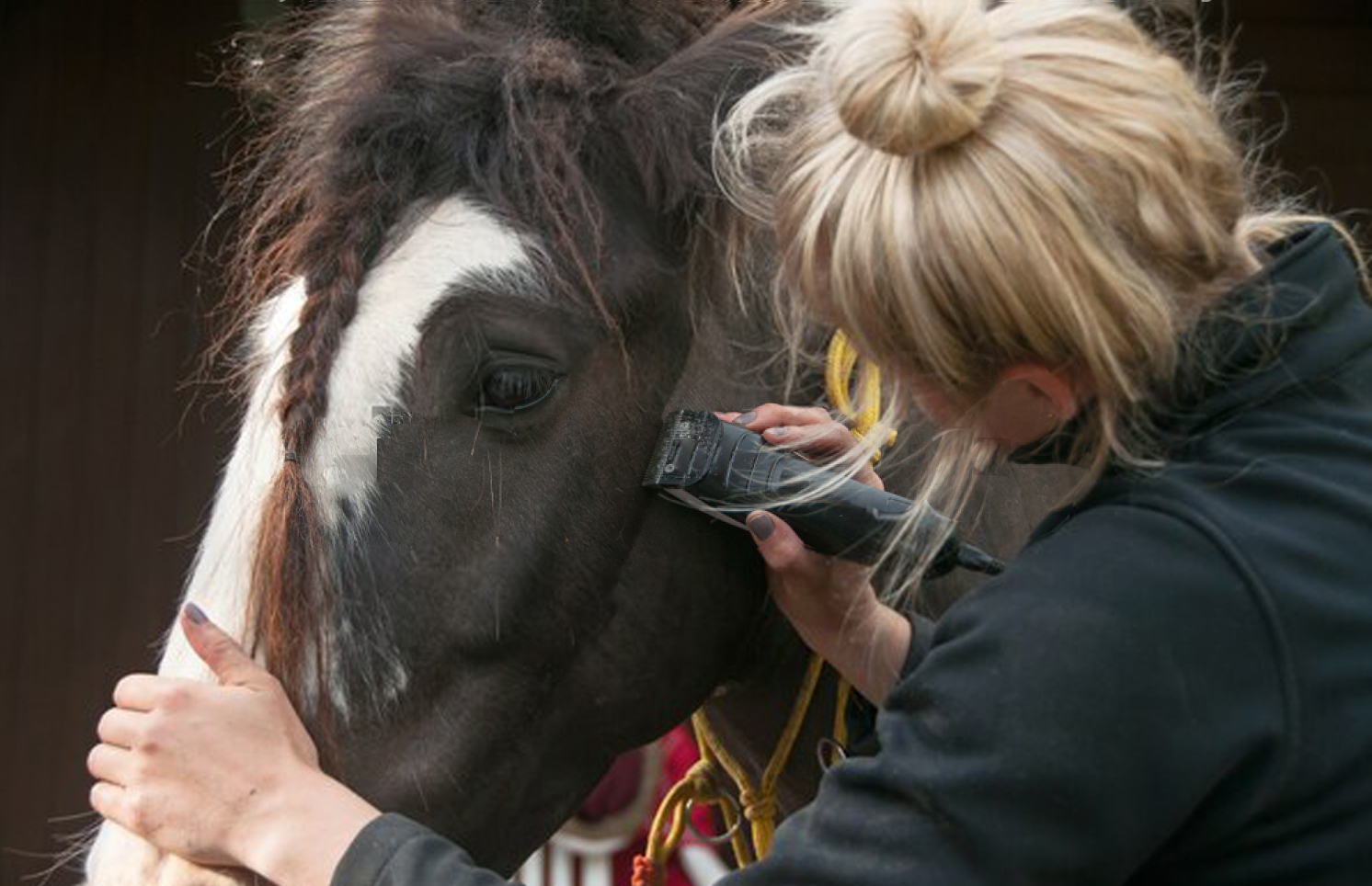
Each year as the temperatures drop and days get shorter our horses start to grow a longer coat as winter approaches. The onset of this thick layer of fur is the horse’s natural defence against the elements during the colder months and ensures that they can brave the elements of the great outdoors.
However, these days the average equine lives a very different life from the wilderness they once found themselves having to survive. With horses being kept in a variety of climates, stalled indoors, blanketed, and exercised throughout the winter, the question becomes is their natural coat a necessary insulation or a thick hindrance that becomes an uncomfortable, itchy, sweaty mess.
Here are the questions you need to ask. Is your horse’s workload causing them to sweat out? Is your climate causing your horse to sweat at rest? Is the sweat build up too much for your coolers and grooming techniques to dry and clean the coat? If you answered yes – it is time to get the clippers out.
There are a number of different styles of clips, each of which focus on removing the thick winter coat from key areas where your horse is likely to sweat or retain heat. In addition to choosing the pattern of clip that suits your horse best it is important to remember that your clip does not have to be a surgical clip (removing the coat down to the skin). Many clippers come with guards and have adjustable settings to help you set the cut thickness to suit your needs.
Remember – if you decide to clip your horse this winter you are removing their natural defence against the colder weather. This means they will need an alternative way to keep themselves warm and dry. To achieve this it is best to blanket your horse when temperatures start to drop. Check out our article about blanketing this winter along with how to measure your horse for a blanket.