
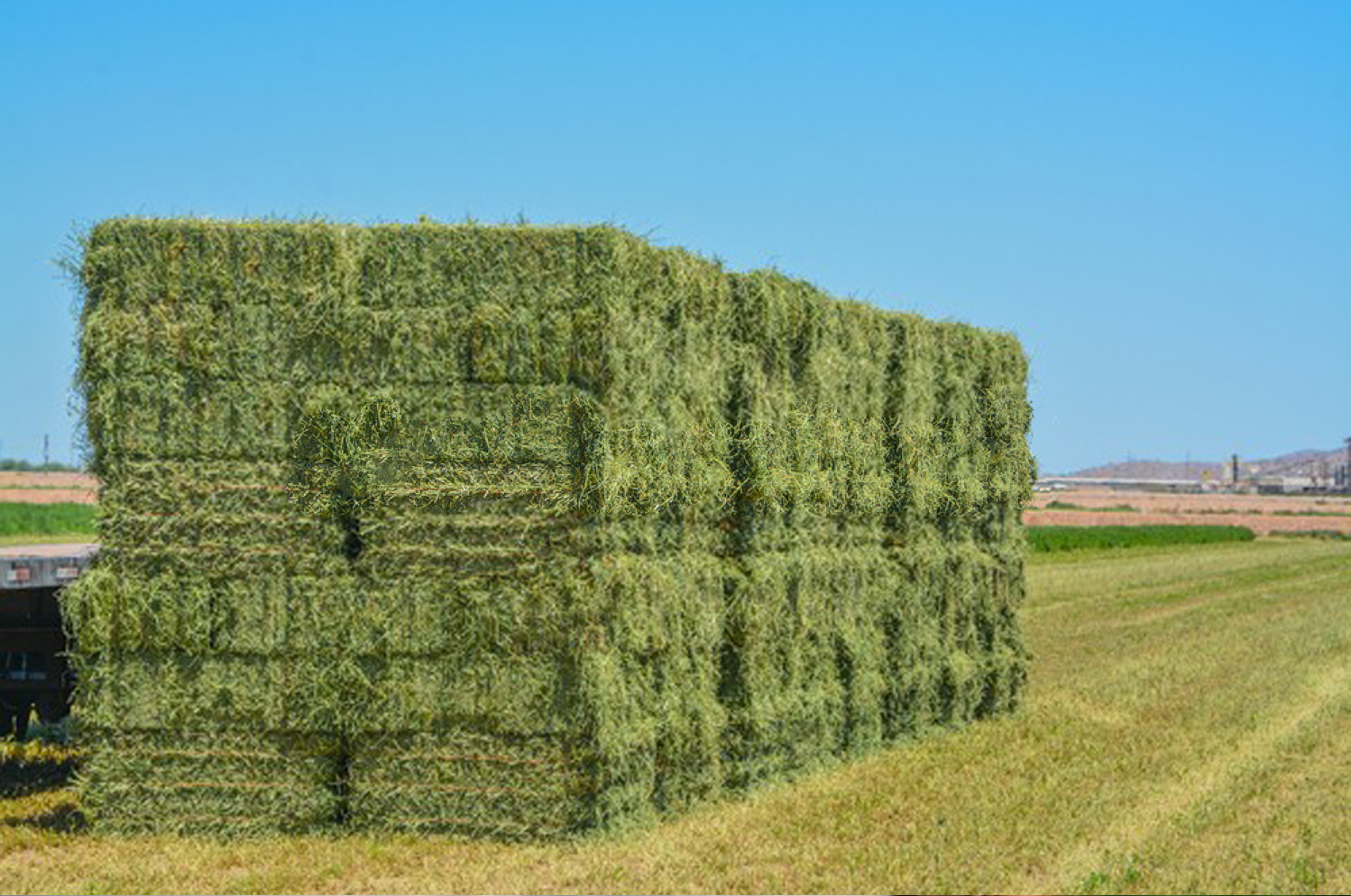
Horses require a diet consisting of high forage intake. With many horses heavily relying on hay to provide this forage it is important to ensure the hay we provide is of good quality. Here are 5 things to keep in mind, and look out for when you are purchasing your hay this season!
The nutritional value of hay is the most important factor when determining its quality. This begins with the stage of plant maturity at time of harvest. Young, immature plants contain more nutrients than older, stemmier plants. Though after hay is harvested, the level of horse hay quality goes beyond the age of the plant at harvest. When selecting your horse’s forage, keep these six signs of good quality horse hay in mind:
Hay Maturity
With the nutritional value of hay being closely linked to the plant maturity at the time of harvest it is important to consider the maturity of the plants at the time it was cut. Typically younger immature plants will contain more nutrients. These younger plants will often have small or even fine stems, and will have little to no seeds present. When inspecting the hay be sure that the stems are soft and pliable, if they feel unforgiving or even stick like, and there are lots of seeds present, this is a sign that the hay is more mature and will be unlikely to be high in nutrients.
Colour
High quality hay should be bright green in colour with little to no fading. Washed out yellow, brown or black color may indicate an older cutting of hay, mold or poor storage conditions.
Smell
The smell of hay is so important when it comes to selecting good quality safe bales for our horses. When inspected a bale it should smell fresh, and should be void of any smells such as mold, must, or rot. Not only do these smells potentially point to poor quality hay, but may indicate improper storage or harvest practices. These issues can put our herd at risk of medical complications including colic which can prove fatal.
Cleanliness
A hale bale should be made up of clean harvested forage with little to no dust and void of mold, rubbish, unwanted weeds, or any other foreign material which may be a potential choking or digestive hazard.
Storage
With storage conditions having a great impact on the stability of the hay’s nutritional content it is important to inspect where the hay has been stored prior to purchase. Heat, sunlight, rain, and other factors can greatly decrease the nutritional value of the hay over time. Many vitamins (such as vitamin E – which promotes neuromuscular function) lose their biological activity over time, and typically after 6-8 months much, if not all nutritional benefits are lost. However, with poor storage practices this timeframe can be greatly depleted leaving your horse deficient in certain vitamins and minerals which may need to then be artificially introduced through the use of supplements or ration balancer feeds.