
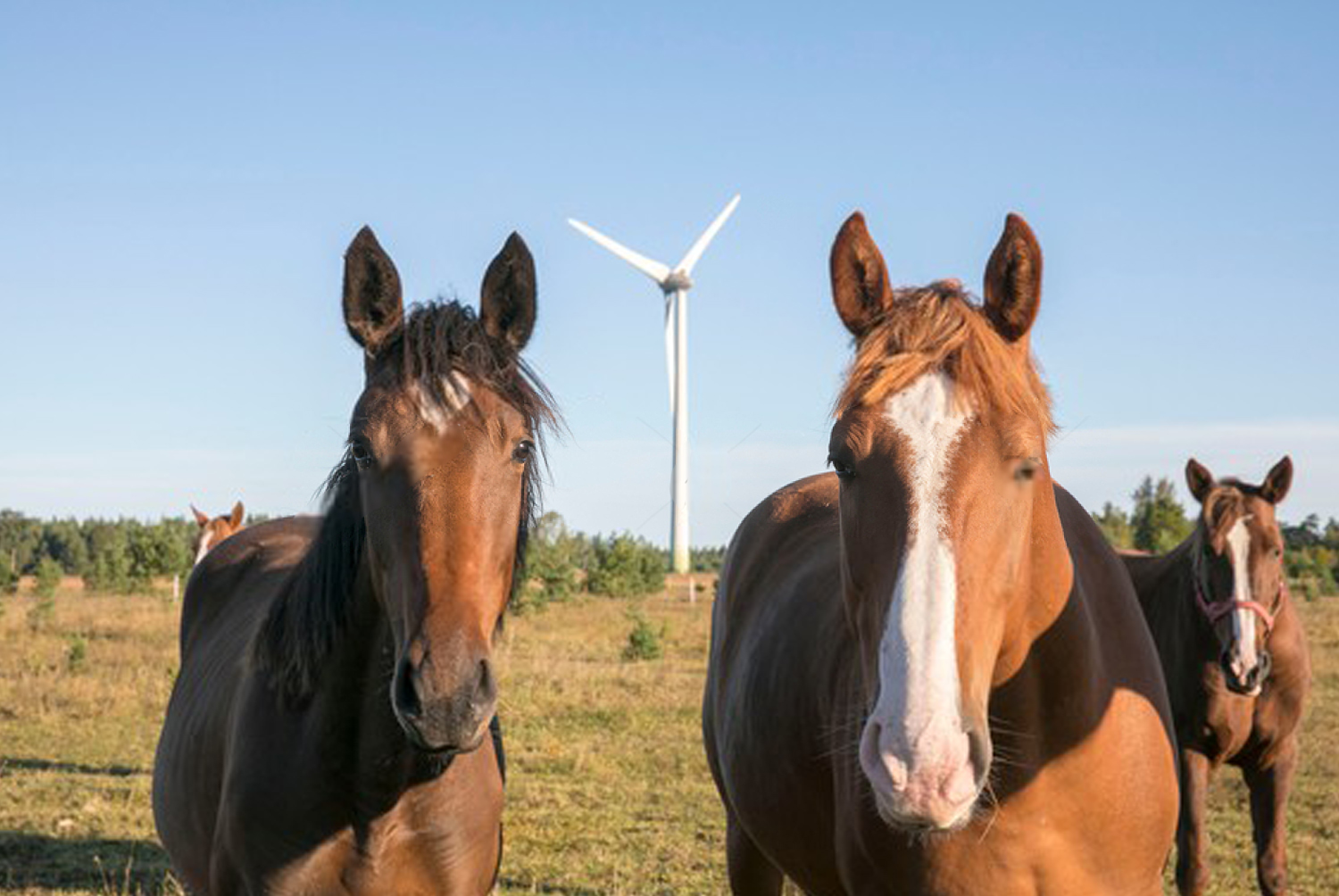
Horses are majestic creatures that have been entangled in human development for centuries. Contributing to our long and winding history of exploration, growing civilizations, and enjoyment of life, it is hard to believe what humankind would be without them standing nobly beside us. However, with industrialization, technological advancements, and an increase in urban living, the widespread use of horses in everyday life has greatly reduced. But with growing interest in moving towards renewable energy could we see a rise in horses’ contributions to our everyday lives?
What is Renewable Energy?
Renewable energy is an energy source that is gathered from resources that are always being replenished and are never depleted. These include sources like sunlight, wind, rain, tides, waves, geothermal heat, and biomass waste which can all be converted into a source of energy.
Now let’s focus on Biomass Waste! What is it and how could we use it?
Biomass waste is organic material derived from plants, animals, and their waste products. With biomass waste being produced by industries we rely on such as the agricultural industry and even our own households, it is a resource that is readily available, consistently produced, and in abundance. Biomass waste is an incredibly versatile substance which can be burned directly, refined into liquid biofuels, or even harvested as a gas. The added bonus to biomass waste is that it could be the key to reducing our CO2 emissions as it releases no additional carbon dioxide when burned than it would if it was left to naturally decay. This is a stark difference from fossil fuels which are a limited resource which releases carbon that has been trapped for centuries underground. With this in mind, could our horse barns hold the key to reducing our use and need for fossil fuels, potentially enabling us to be energy self-sufficient, and reduce our carbon footprint?
Well the answer is – Yes! Horses are a leading producer of biomass waste thanks to the mountain of manure they produce each year. During the digestive process of fermentation in the horse’s stomach they naturally break down the cellulose contained in the grass they consume, transforming it into a crude biomass fuel. This fuel can be burned directly to produce heat for buildings, boil water, and can even produce electricity with the use of steam turbines. With the average horse producing approximately nine tons of manure per year it is possible to create up to 15 megawatt hours of energy. With the average American household using just over 11,000 kilowatt hours a year (equal to 11 megawatt hours) it is entirely possible that your horse could power your house’s electrical needs in the future.